
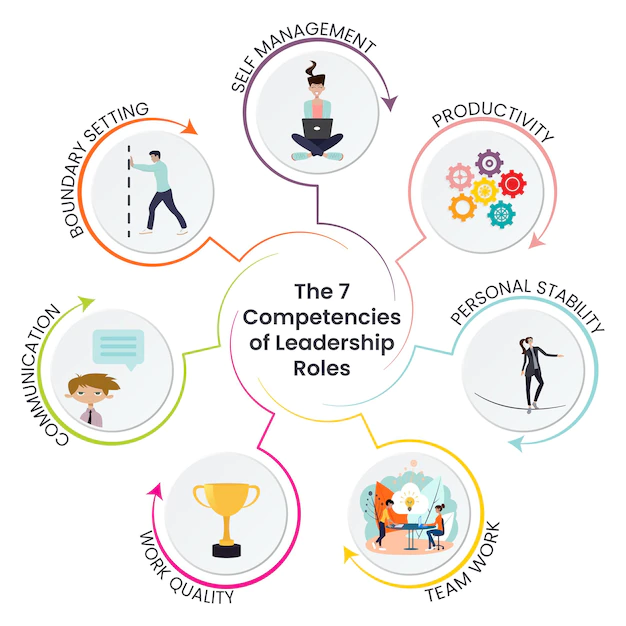

Being a leader doesn’t come naturally to everyone. In fact, some people struggle with the responsibility of leading others. However, becoming a better leader doesn’t necessarily mean cracking jokes and happily barking orders at subordinates. Without the right level of self-awareness and detachment from personal desires and biases, leaders will be unable to operate at their peak or effectively manage others in their organization. That being said, there are specific leadership skills that every manager can learn no matter where they are in their career or what challenges they face on a daily basis. Let’s take a look at why that is…
1. Build Consensus Before Making Decisions
Managerial decisions should be made after a thorough discussion with your team. Don’t just sit in the decision-making position and assume that this is the way things are done. If a team member offers a different opinion, don’t brush it off and assume that you know best. Build consensus before making a decision. Discuss all aspects of the decision and why you have chosen the one you have. Building trust and respect for one another by letting people know why you have made certain decisions and building trust in leadership is crucial for a healthy organization.
2. Set Goals and Metrics for Your Team
Having a team goal that everyone understands and is motivated to achieve can help you stay motivated and on track with your business. Setting goals for your team members will help them feel as though they are active contributors to your company’s success. However, make sure to set goals that are both challenging and achievable. If the team scores a bunch of victories, but the goals are set too high, they will feel as though they are on an endless winning streak. It is important to set goals that the team feels confident will be accomplished. Keep track of the team’s progress and use that data to adjust your goals as needed.
3. Don’t Micromanage; be a Guide and Coach
Being a manager doesn’t mean that you need to control every aspect of your employees’ work. Instead, try to focus on developing people and making them feel as though they are valued members of the team. Focus on creating a positive work environment that breeds creativity and makes employees feel encouraged to contribute. You don’t need to control every aspect of your employees’ work, but you do need to show a genuine interest in their success on a daily basis.
4. Be Aware of Your Moods and Emotions
Being aware of your moods and emotions can help you detach from the day-to-day stress of your job. It can also help you recognize when you are being affected by outside factors, such as other people’s moods or your own mood. Emotions and moods can affect how we make decisions and how we interact with others. It’s important to recognize when you are feeling a certain way and how that is affecting your decision-making process.
5. The Power of Positivity
It’s easy to fall into a cycle of negativity in the workplace. People may complain about their job and how stressful it is every single day. However, this is counterproductive to productivity. Instead, try to find a more positive way of looking at your work and others in your company. If people see you as a positive influence in their life, they are more likely to respond to you in a positive way.
6. Conflict Management
It’s important to be prepared for the everyday challenges that come with leading others. Prepare yourself for conflict by being aware of your feelings, however irrational they may seem to be. Express your feelings in a healthy way and try to avoid heated arguments with others in your company. If you have to physically restrain someone, it’s important to remember to take note of what you were feeling at the time and what triggered that behavior.
7. Understanding Emotional Intelligence in Workplace
Emotional intelligence is the ability to recognize and manage emotions in yourself and others. The most successful managers are those who have mastered their emotions, allowing them to make sound decisions while maintaining composure in high-pressure situations. There are some traits of a high emotional intelligence leader. High emotional intelligence leaders are clear communicators who remain unbiased in decision-making. Leaders with high emotional intelligence also pay attention to their own emotions so they don’t unintentionally trigger bad ones in others. These are the five most important leadership skills every manager can learn. While it may seem like a daunting task to learn these skills, they are essential for any manager looking to lead others effectively. The key is to practice these skills every day and to remember that the most successful leaders are ones who have mastered the ability to separate themselves from their own emotions when dealing with others.